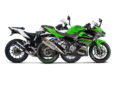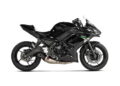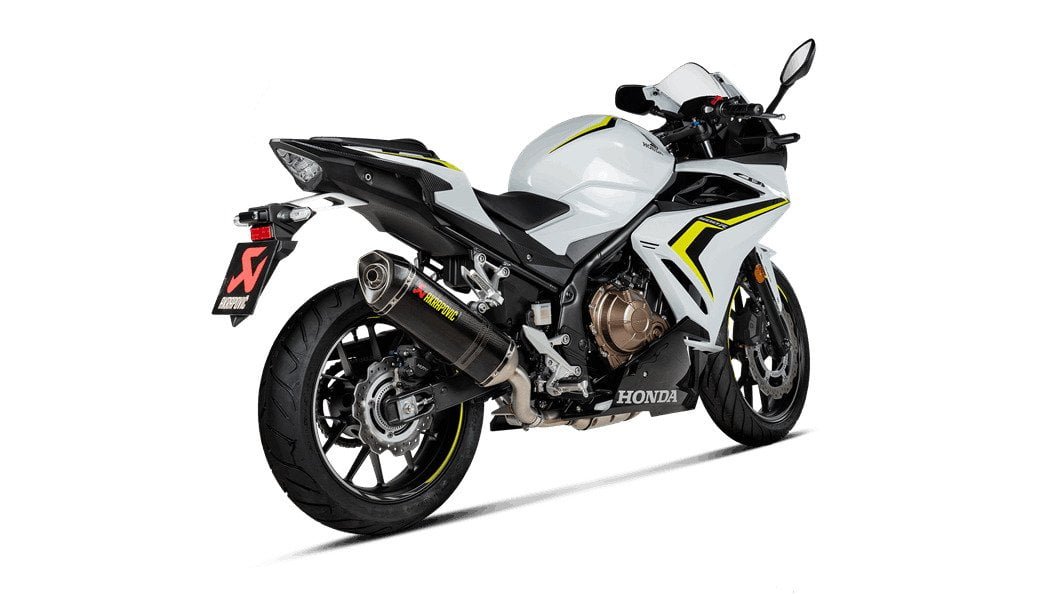
Honda CBR500R 0-60 mph in 4.72 seconds
The Honda CBR500R was introduced in 2013 as an entry-level commuter sportsbike that was aimed at new riders.
It currently sits above Honda’s own CBR250R and CBR300R bikes but below the bigger and more powerful four-cylinder CBR650R from which, in its current guise, the CBR500R takes its styling inspiration.
There is also a naked version called the CB500F.
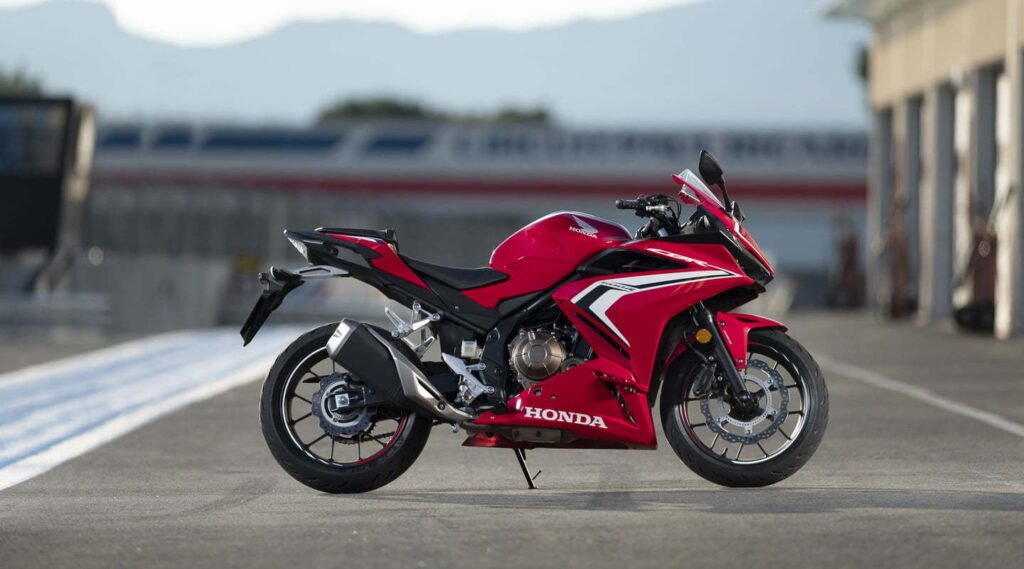
Powered by a fuel-injected 471 cc parallel-twin engine, the Honda CBR500R produces a claimed 47.6 hp (35.0 kW) at 8,500 rpm at the crankshaft.
The Honda CBR500R competes with many other bikes across a wide range of engine sizes in what is a hugely varied and competitive class.
However, the CBR500R is often seen as the more sensible choice and is not usually the first pick for riders seeking something more focused and exciting.
One of its main rivals is Kawasaki’s sportier Ninja 400. Despite giving away 73 cc in capacity, the Ninja 400 makes similar power.
Both bikes are closely matched, but the Ninja is noticeably lighter, which gives it the edge in straight-line performance.
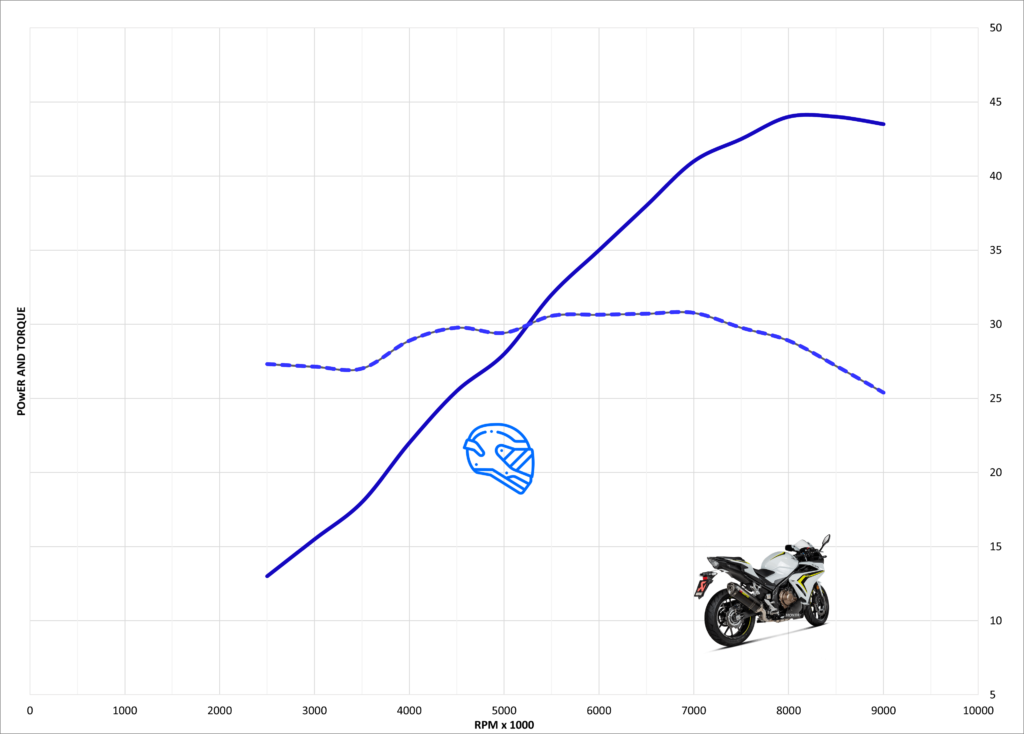
Honda CBR500R Dyno Curve
The CBR500R produces 44 horsepower at the rear wheel, which is very close to Honda’s claimed 47.6 hp at the crank.
We typically see 10-12% transmission losses from crank to rear wheel, so Honda has done well to keep the loss lower in this case.
For its class, the engine delivers a decent amount of power and torque throughout the rev range.
This means you don’t have to work the gearbox frantically as you do on some smaller-capacity rivals such as the Ninja 300 or YZF-R3
That said, you still benefit from being in the right gear for a clean overtake, as any sub-500 cc, sub-50 hp bike has limited performance.
Power is delivered in a very linear fashion, but I’m afraid it is not particularly exciting.
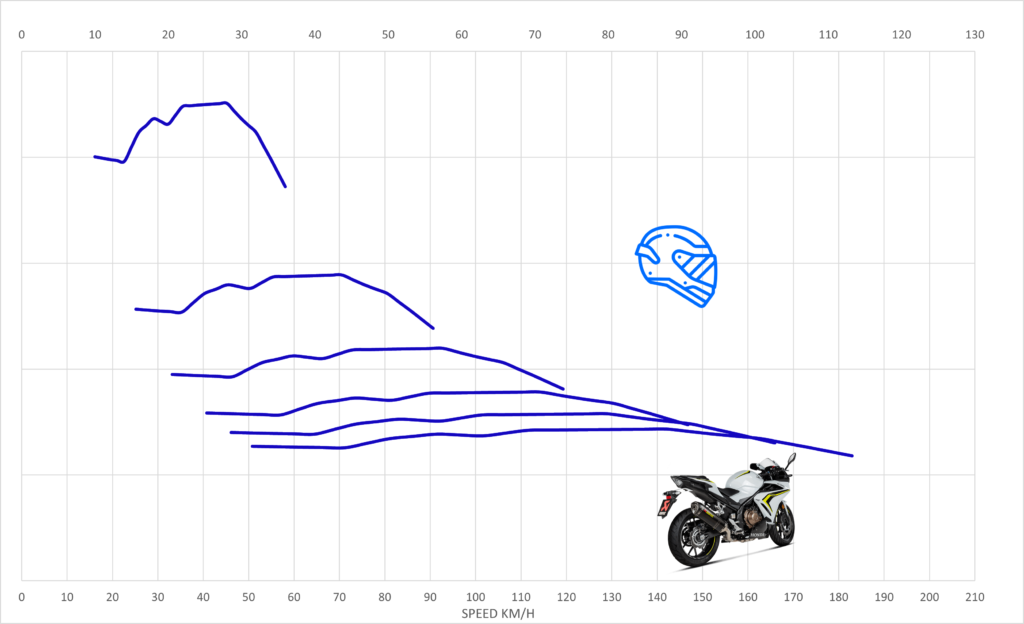
Honda CBR500RR in-gear acceleration
You will get heaps more satisfaction from screaming the Yamaha R3, Ninja 300, or Ninja 400 to their higher redlines of 11,000 rpm and beyond.
By comparison, the Honda CBR500R only revs to a little over 9,000 rpm, which is quite low for a sporty small-capacity motorcycle.
In fairness to the Honda CBR500R, it is not designed to deliver frantic, high-revving performance that requires constant hard work from the rider. Quite the opposite.
The CBR500R offers easily accessible, smooth, and dependable power that is not intimidating for new riders, its main target audience.

Honda CBR500R Acceleration and Top Speed Review
For the best acceleration times, take the first three gears right to the redline and shift just before hitting the limiter using a clean, clutchless change.
In fourth and fifth gear, shift at approximately 8,800 rpm. Any other strategy will hurt both your elapsed time and terminal speed.
There is more than enough acceleration for swift and safe overtakes at highway speeds, but you will get the best results by using fourth or fifth gear when pulling from 70 mph.
The Honda CBR500R’s top speed, with the chin on the tank, is reached right at the rev limiter in top gear and sits at a very respectable 116.8 mph.
You may have seen slower times in your research, such as 14- to 15-second quarter-mile runs.
Smaller-capacity, lower-power bikes are heavily affected by poor conditions or heavier riders.
Many CBR500R owners are also new or inexperienced riders.
That said, as mentioned, this bike can dip into the 13-second bracket when conditions and the rider are perfect.
It is an unassuming motorcycle that can surprise quite a few sporty cars at the traffic-light grand prix, if that’s your thing.
| Honda CBR500R Acceleration | |
| Speed | Time |
| 0-10 mph | 0.64 |
| 0-20 mph | 1.24 |
| 0-30 mph | 1.75 |
| 0-40 mph | 2.62 |
| 0-50 mph | 3.46 |
| 0-60 mph | 4.72 |
| 0-70 mph | 6.03 |
| 0-80 mph | 8.06 |
| 0-90 mph | 10.31 |
| 0-100 mph | 14.17 |
| 0-110 mph | 21.74 |
| 60-130 mph | N/A |
| SS/QM | 13.5/98 mph |
| SS/KM | 26.01/113 mph |
| SS/Mile | 37.72/115 mph |
| Top Speed | 116.8 mph |